The great Gingko biloba: older than the dinosaurs
A living fossil: Ginkgo trees have been around for roughly 200 million years, meaning they existed alongside dinosaurs.
The last of its kind: Ginkgo is the only surviving species in its entire plant division. It has no close living relatives.
It survived the atomic bomb: Several ginkgo trees in Hiroshima survived the 1945 atomic bombing and are still alive today.
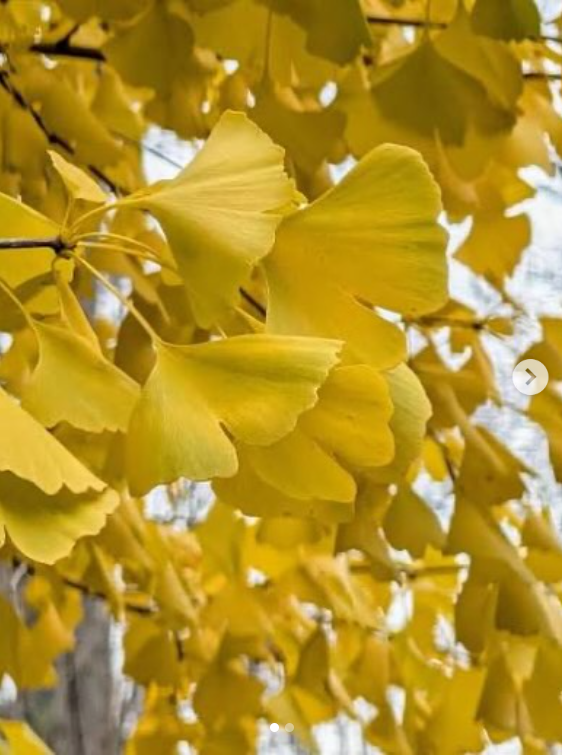
Graceful and distinctive: Its broad, fan-shaped leaves can reach about 4 inches wide and resemble maidenhair fern leaflets.
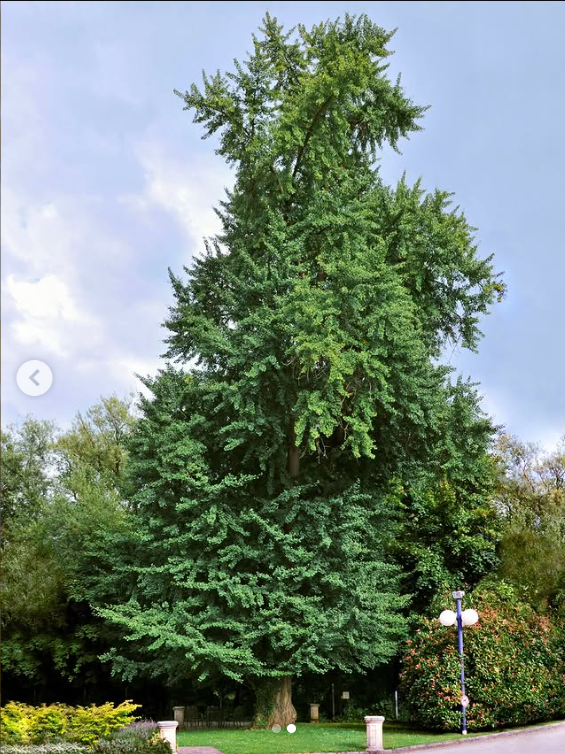
Impressive size: Can reach 70–100 feet, although most mature trees are closer to 35–50 feet.
Great urban tree: Excellent for streets and lawns, thanks to its tolerance of heat, air pollution, and both acidic and alkaline soils.
Low-maintenance: Generally resistant to insects and diseases and even shows resistance to oak root fungus.
Golden fall display: Its light-green leaves turn a striking golden yellow in autumn.
Give it room to establish: Young trees benefit from regular watering until established; mature trees generally need only occasional irrigation.
Pruning is simple: Older trees typically need little pruning beyond removing dead, broken, or weak branches.
Choose your tree carefully: Male cultivars are preferred for landscapes because female trees produce abundant, fleshy fruit with an unpleasant odor.
Popular cultivars: ‘Autumn Gold,’ ‘Golden Colonnade,’ ‘Princeton Sentry,’ ‘Presidential Gold,’ and ‘Saratoga’ offer different sizes and growth forms.
If you want to see one in person, you can find a few beautiful Ginkgo trees at the Mesa Marin Sports Complex and other areas around Bakersfield.